理科 → 生物Grade 6–8Circulatory System — Explained Like Your Teacher WouldYour heart beats about 100,000 times a day to move blood through 100,000 km of vessels. Here is how the whole circulatory system fits together — explained step by step.11 分で読めます記事を読む
F理科 → 生物Grade 9–12Neural Control and Coordination — Explained Like Your Teacher WouldTouch something hot and your hand moves before you finish the thought. Here is how neurons, synapses, and reflex arcs make that happen — explained step by step.14 分で読めます記事を読む
F理科 → 物理Grade 9–11Newton's Three Laws of Motion Explained SimplyNewton described three rules that govern everything moving around you — from a sliding hockey puck to a rocket launch. Once you understand each one clearly, mechanics becomes logical.9 分で読めます記事を読む
理科 → 化学Grade 6–8Atoms and Elements: The Building Blocks of EverythingEverything around you — your desk, the air, even you — is made of atoms. Once you understand what atoms are, chemistry suddenly has a logic to it.8 分で読めます記事を読む
理科 → 生物Grade 7–9Photosynthesis: How Plants Make Their Own FoodPlants do something animals can't: make food from air, water, and sunlight. Understand photosynthesis and you understand where the whole food chain begins.9 分で読めます記事を読む
理科 → 化学Grade 9–10How to Balance Chemical Equations: A Step-by-Step MethodAtoms are never created or destroyed — that's why equations must balance. Follow one repeatable method and balancing stops being guesswork.9 分で読めます記事を読む
理科 → 物理Grade 5–12AP Physics 2 Exam 2027: Complete Guide to Format, Units, Dates and ScoresThe AP Physics 2 exam is on May 6, 2027. See the official format, seven units and weights, Bluebook rules, fees, scores, a study plan and two worked examples.13 分で読めます記事を読む
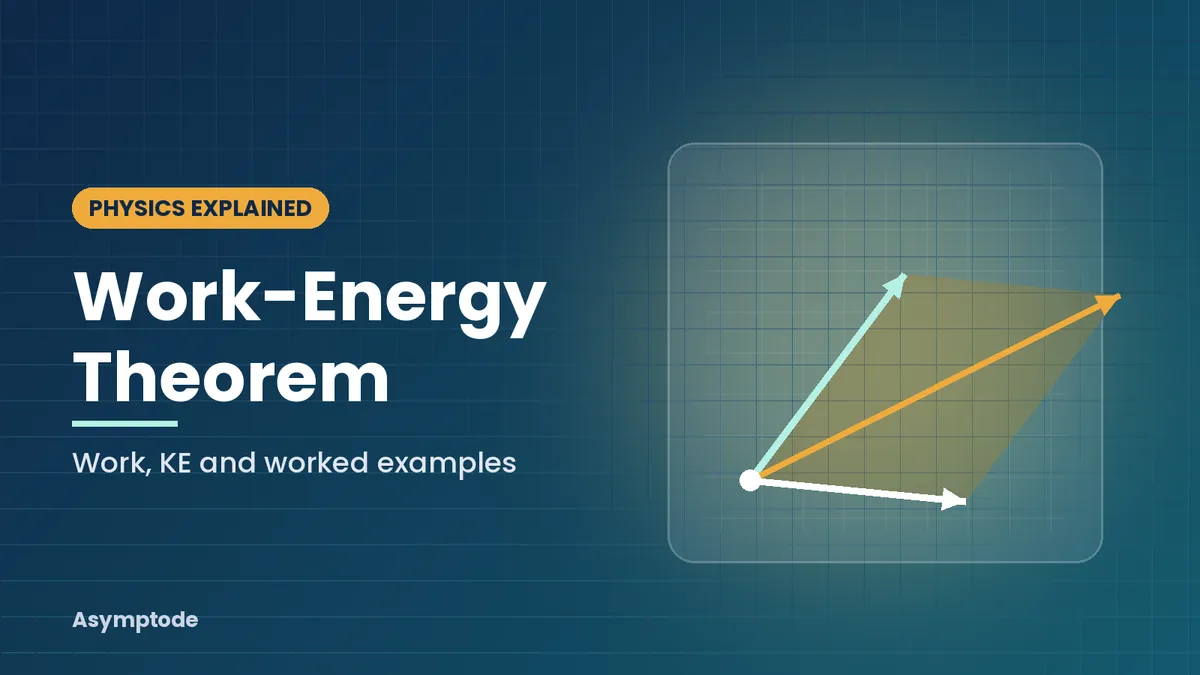
理科 → 物理Grade 5–12Work-Energy Theorem Explained: Work, Kinetic Energy and Worked ExamplesThe work-energy theorem made simple: what work and kinetic energy are, a short derivation, four worked examples, common mistakes and practice questions.10 分で読めます記事を読む
理科 → 生物Grade 5–12IISER IAT 2027 Guide: Dates, Eligibility, Exam Pattern, Seats and CounsellingIISER IAT 2027 dates are not out yet. Use the official IAT 2026 rules: eligibility, 60-question pattern, fees, 2,343 seats, counselling and IAT vs NEST.11 分で読めます記事を読む
理科 → 物理Grade 5–12Circular Motion Explained: Formulas, Examples and Common MistakesCircular motion made simple: angular speed, v = ωr, centripetal acceleration and force, banked curves, vertical circles, three worked examples and common mistakes.9 分で読めます記事を読む
理科 → 化学Grade 5–12Mole Concept Explained: Formulas, Worked Examples and Common MistakesLearn the mole concept step by step: Avogadro constant, molar mass, gas volume, concentration and limiting reagents, with five worked examples and practice questions.10 分で読めます記事を読む
理科 → 物理Grade 5–12Projectile Motion Explained: Equations, Worked Examples and Common MistakesProjectile motion is just two simple motions at once: constant horizontal speed and constant vertical acceleration. Learn the equations, the 45° rule and four worked examples.9 分で読めます記事を読む
理科 → 化学Grade 5–12A-Level Chemistry Guide: Papers by Board, Topics, Required Practicals and a Year 13 Revision PlanA-Level Chemistry explained for parents and students: AQA, Edexcel and OCR papers, the main topics, 12 required practicals, worked calculations and a Year 13 plan.9 分で読めます記事を読む
理科 → 化学Grade 5–12Alberta Chemistry 30 Diploma Exam Guide: 2026-27 Dates, Format, Blueprint and Study PlanAlberta Chemistry 30 diploma exam explained: 2026-27 dates, 60-question format, blueprint by unit, worked calorimetry, cell voltage and pH examples, and an 8-week plan.8 分で読めます記事を読む
理科 → 化学Grade 5–12AP Chemistry Exam Guide (2027): Format, 9 Units, FRQs and a Study PlanThe May 6, 2027 AP Chemistry exam explained: 60 MCQ and 7 FRQ format, the 9 units and weightings, worked examples and a 10-week plan.9 分で読めます記事を読む
理科 → 物理Grade 5–12GCSE Physics Guide: Papers by Board, 8 Topics, Equation Sheet and Revision PlanGCSE Physics explained for parents and students: AQA, Edexcel and OCR papers, tiers, the 8 topics, the 2027 equation sheet, worked examples and a 12-week plan.8 分で読めます記事を読む
理科 → 物理Grade 5–12Physics 30 Diploma Exam Guide: Alberta 2026-27 Dates, Format and Study PlanThe Alberta Physics 30 diploma exam explained: 2026-27 dates, 50-question format, unit blueprint, worked momentum, photon and Coulomb examples, and an 8-week plan.8 分で読めます記事を読む
理科 → 生物Grade 5–12AP Biology Exam Guide: 2027 Format, 8 Units, Maths Skills and a 10-Week PlanThe AP Biology exam explained: 2027 date and format, the 8 units and weights, Hardy-Weinberg and chi-square worked examples, FRQ tips and a 10-week plan.8 分で読めます記事を読む
理科 → 化学Grade 5–12GCSE Chemistry Guide: Papers by Board, 10 Topics, Required Practicals and Revision PlanGCSE Chemistry explained for parents and students: AQA, Edexcel and OCR papers, tiers, the 10 AQA topics, 8 required practicals, worked calculations and a 12-week plan.7 分で読めます記事を読む
理科 → 物理Grade 5–12AP Physics 1 Exam Guide (2027): Format, 8 Units, FRQs and a Study PlanThe May 2027 AP Physics 1 exam explained: the new 42-question format, the 8 units, the 4 free-response types, worked examples and a 10-week plan.9 分で読めます記事を読む
理科 → 物理Grade 5–12A-Level Physics: Papers, Topics and How to PrepareA-Level Physics explained for UK students and parents: AQA, Edexcel and OCR papers, the topics, the maths, worked examples, common mistakes and a Year 13 plan.9 分で読めます記事を読む
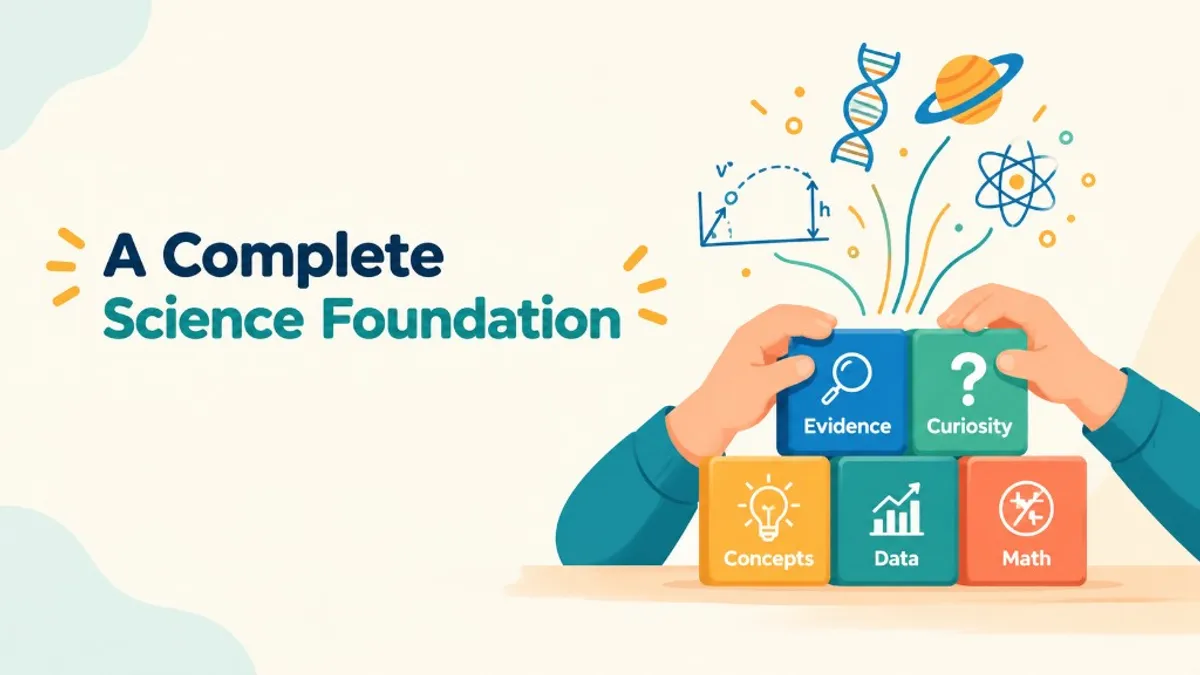
理科 → 生物Grade 5–12Building a "Completely Science" Foundation: Why Early Intervention MattersA complete science foundation is not a pile of facts. It is the ability to explain an idea, predict what happens next, and carry that understanding into the next course.5 分で読めます記事を読む
理科 → 物理Grade 5–12From AP Exam Schedule to A-Grade: Why Conceptual Understanding Is the Real Key to AP SuccessThe 2027 AP dates tell you when the exam is. Conceptual understanding is what makes a student ready when the question no longer looks like the one they memorized.4 分で読めます記事を読む
x=7理科 → 生物Grade 6–8Food Chain vs Food Web: A Simple Class 6 Guide to EcosystemsGrass → Grasshopper → Frog → Snake → Hawk is a food chain. Join every chain in one ecosystem together and you get a food web. Here is the difference, with a diagram you can actually play with.7 分で読めます記事を読む
理科 → 生物Grade 5–12Science Success: Teaching Strategies to Boost Confidence and Curiosity in Young LearnersWhen a child says science isn't for them, the fix is rarely more explaining. Predict–Test–Notice and zero-pressure observation turn anxiety into curiosity — and give young learners a reason to lean in.4 分で読めます記事を読む
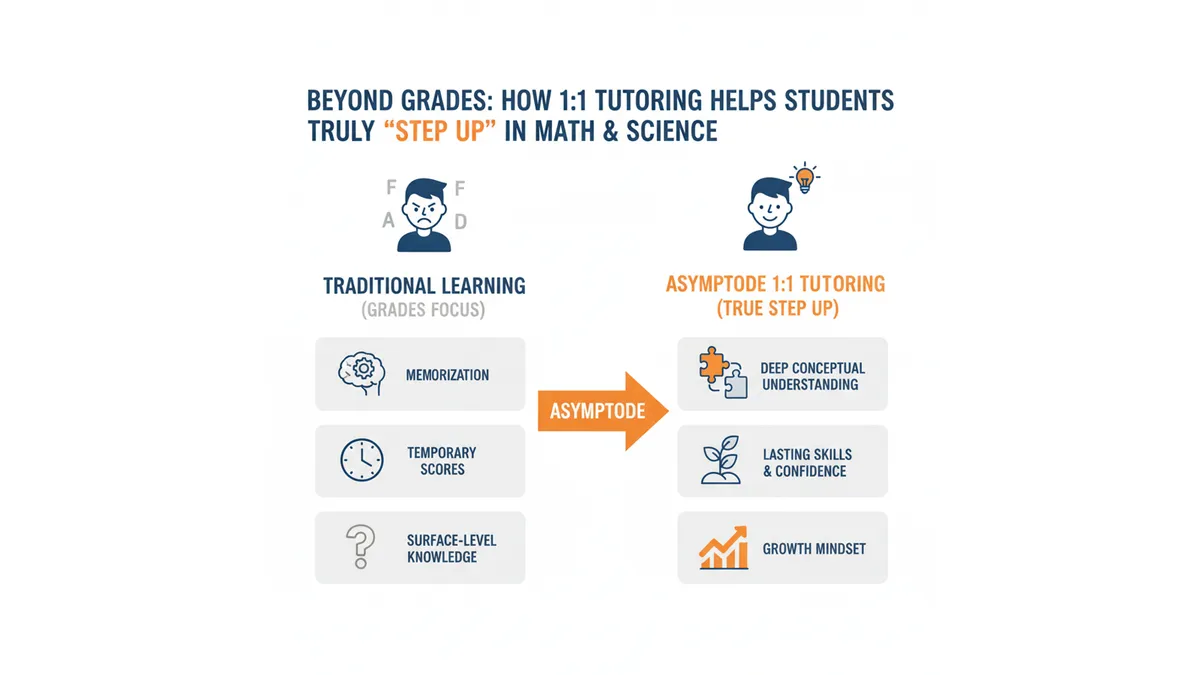
理科 → 生物Grade 5–12Beyond Grades: How 1:1 Tutoring Helps Students Truly 'Step Up' in Math & ScienceDiscover how Asymptode's personalized 1:1 tutoring empowers students to 'step up' their capabilities in math and science, fostering deep understanding, confidence, and a true problem-solving mindset beyond just test scores.5 分で読めます記事を読む
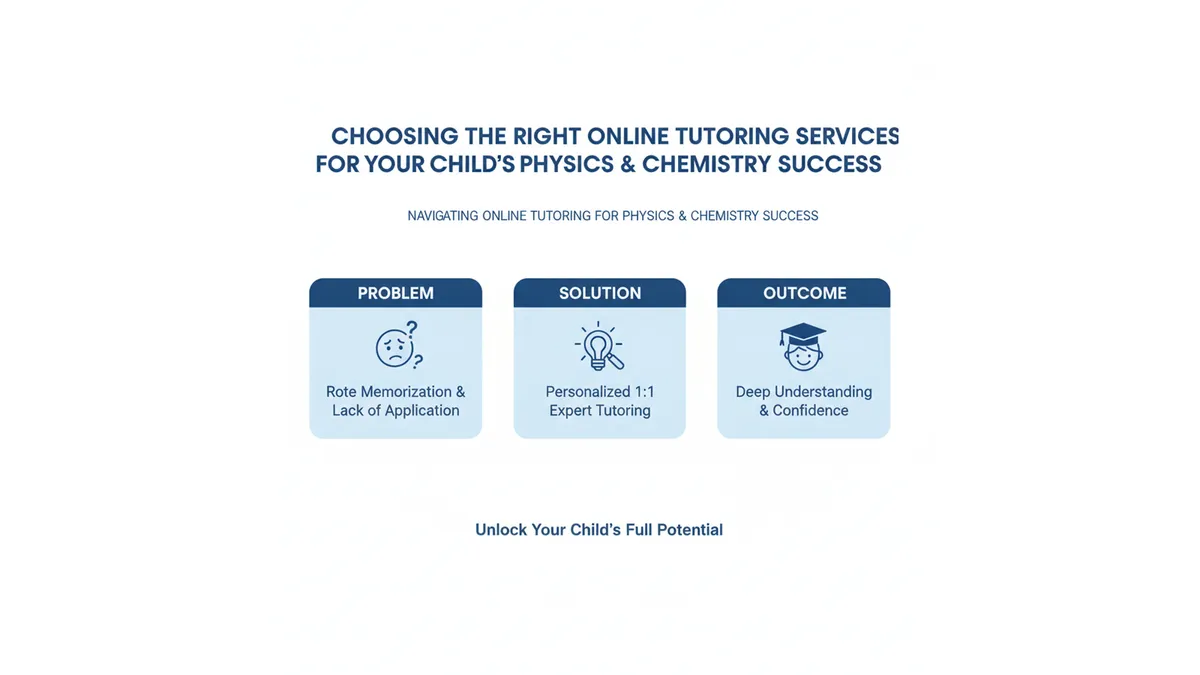
理科 → 物理Grade 5–12Choosing the Right Online Tutoring Services for Your Child's Physics & Chemistry SuccessAs a parent, watching your child struggle with Physics and Chemistry can be incredibly frustrating. You see their efforts, their interest, yet the concepts just don't seem to click. The fear that they're falling behind, losing confidence, or simply memorizing facts instead of…5 分で読めます記事を読む
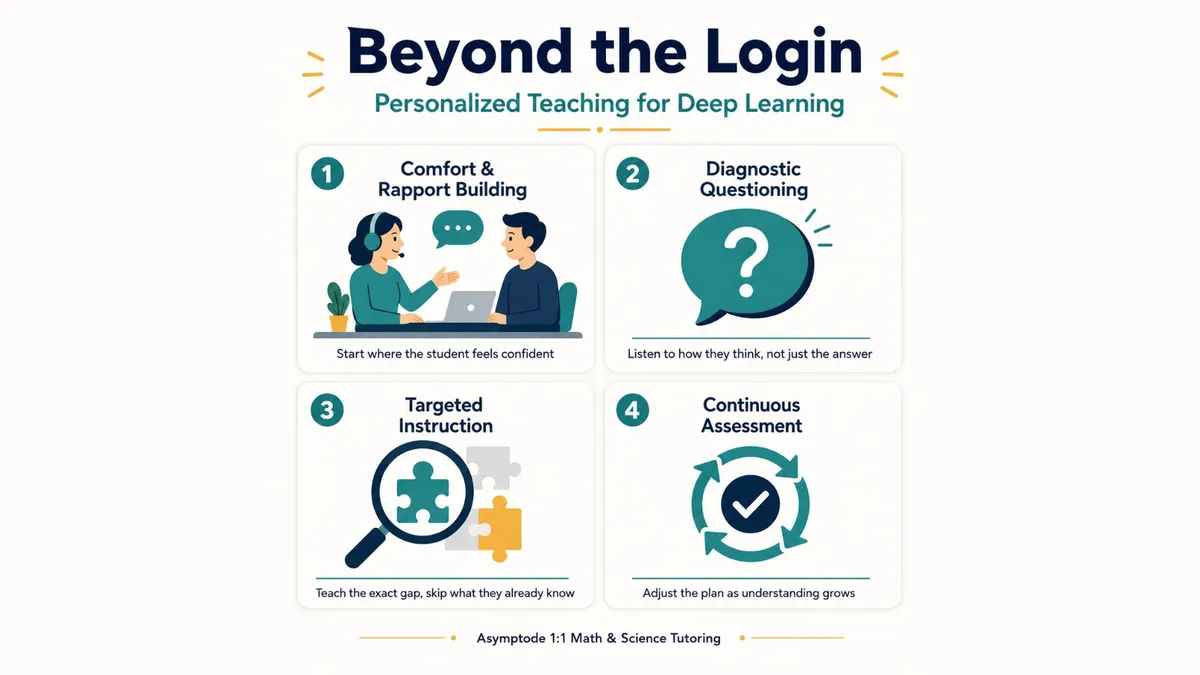
理科 → 生物Grade 5–12Beyond the Login: Effective Teaching Strategies Our Tutors Use for Deep LearningDiscover the personalized teaching strategies Asymptode's tutors use in 1:1 online math and science tutoring to uncover learning gaps, spark 'aha!' moments, and build deep, lasting understanding.5 分で読めます記事を読む